

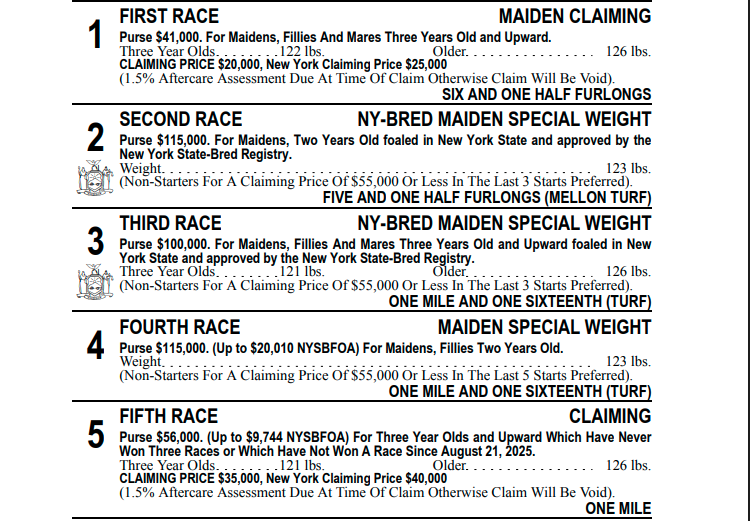
The Condition Book
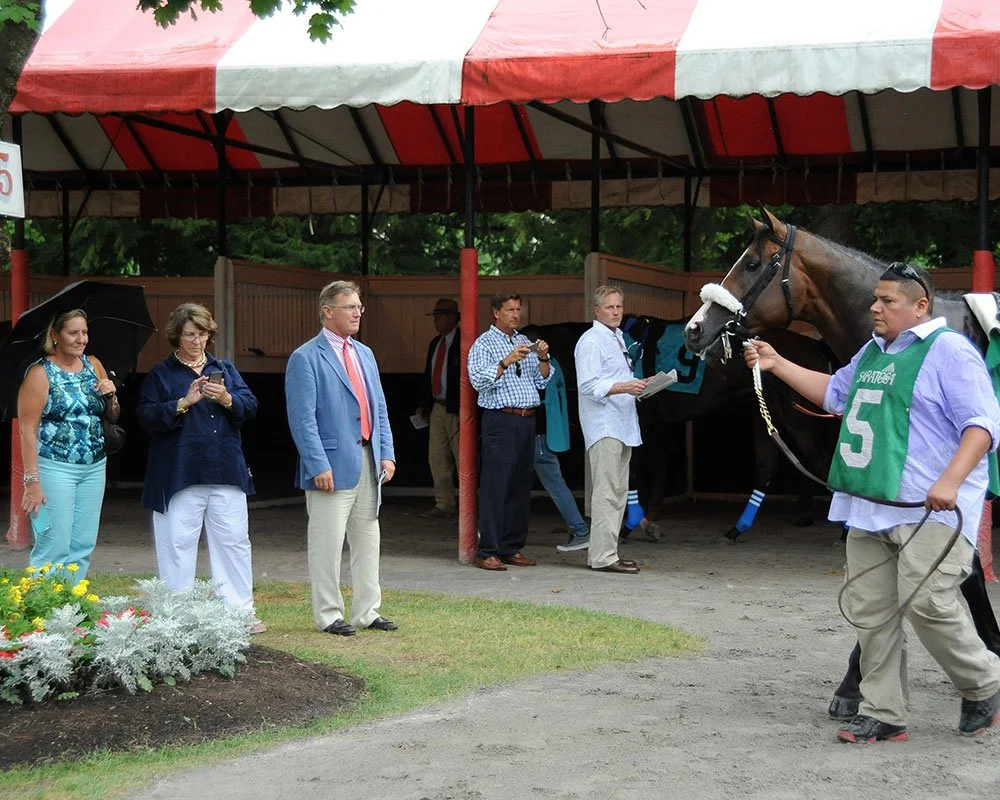
What Happens on Race Day When You Own a Racehorse?
For racing fans, race day starts when the horses enter the paddock. For racehorse owners, it starts much earlier.
More Than Metal: Why Horses Wear Racing Plates
One of the most common questions new racing fans ask is, "Why do racehorses wear horseshoes?"
The answer is simple: protection, traction, and performance.
Why Patience Is the Most Valuable Asset in Racehorse Ownership
Horse racing is exciting because every race feels important. But successful ownership isn't built on one afternoon—it's built over months and years.
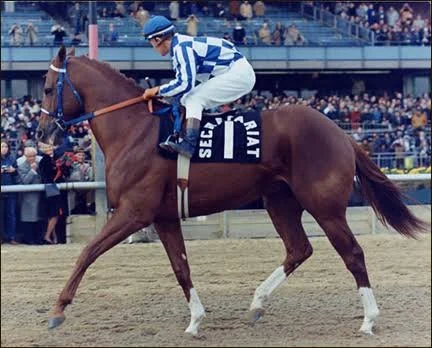
Why Buying the Cheapest Share Isn't Always the Best Value
The value of a racehorse partnership isn't determined by the size of your ownership percentage. It's determined by the quality of the experience, the transparency of the partnership, and the opportunities that come with being an owner.
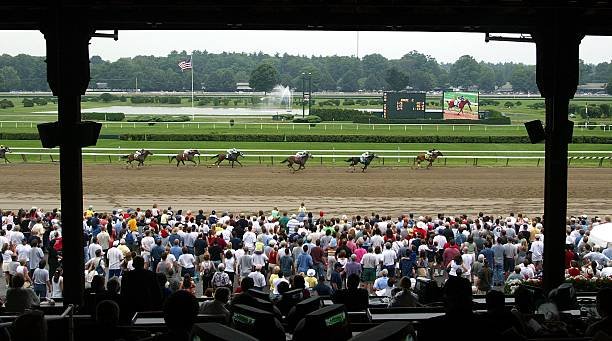
What Makes a Great Racehorse Syndicate?
A quick online search for "racehorse syndicate reviews" will produce hundreds of opinions. Some owners focus on winners. Others focus on communication, access, or overall experience.
The truth is that the best syndicate for one owner may not be the best for another.
Before joining any racehorse partnership, ask a few simple questions.
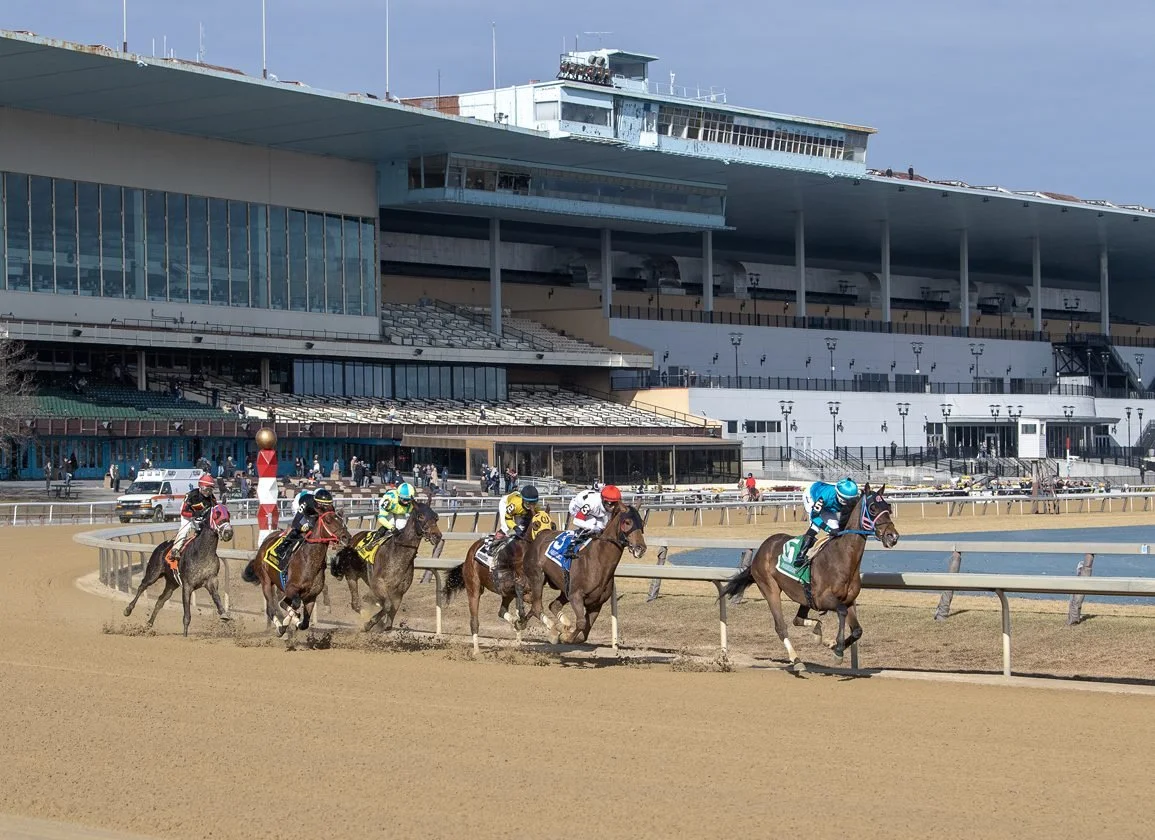
Farewell to The Big A: Celebrating the Legacy of Aqueduct Racetrack
First opened on September 27, 1894, Aqueduct spent more than 130 years as the winter home of New York racing and the only major racetrack located within New York City. For generations of horseplayers, owners, trainers, and fans, "The Big A" wasn't just a racetrack—it was a proving ground.
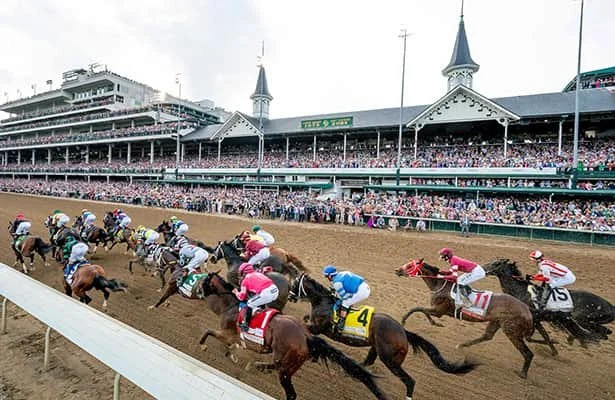
Why Horses Improve Dramatically After Surface Changes
Some horses don’t suddenly improve.
They finally get placed on the right surface.
One of the biggest mistakes bettors make is assuming poor dirt form automatically translates to poor turf form — or vice versa. In reality, surface preference can completely transform a horse’s running style, stamina, and confidence.
Why “Race Flow” Beats Raw Talent
Every race has a personality.
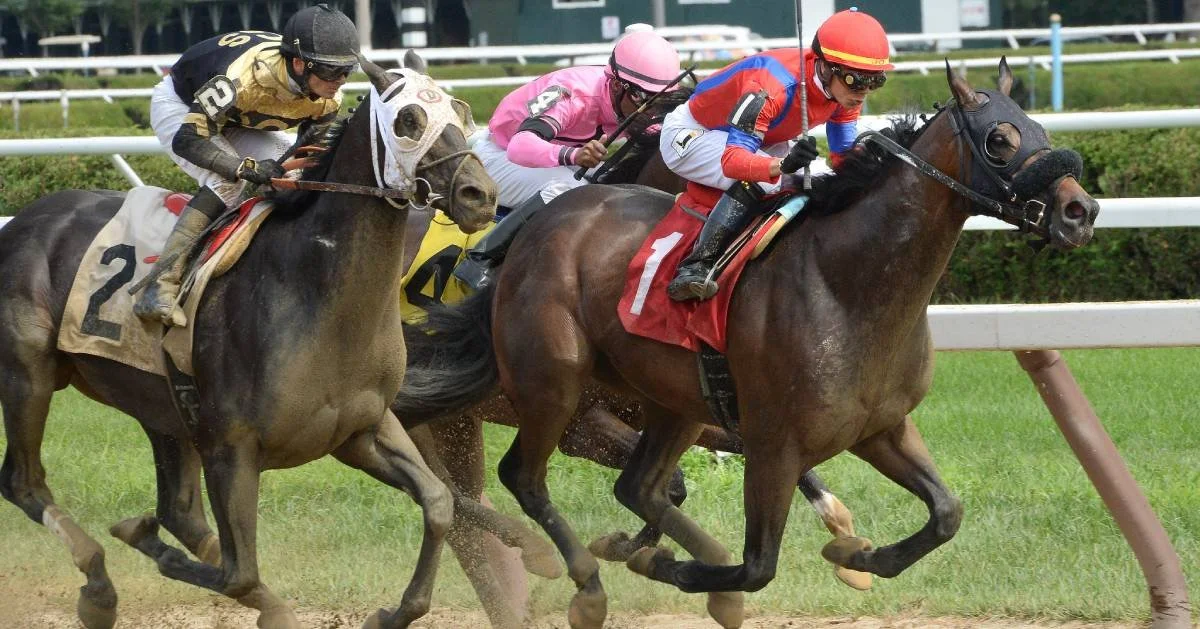
Some unfold cleanly, with each horse running to expectation. Others fall apart, compress, or flip entirely based on how the race develops in real time. This is called race flow — and it often matters more than raw ability.
The Hidden Value of Tactical Speed
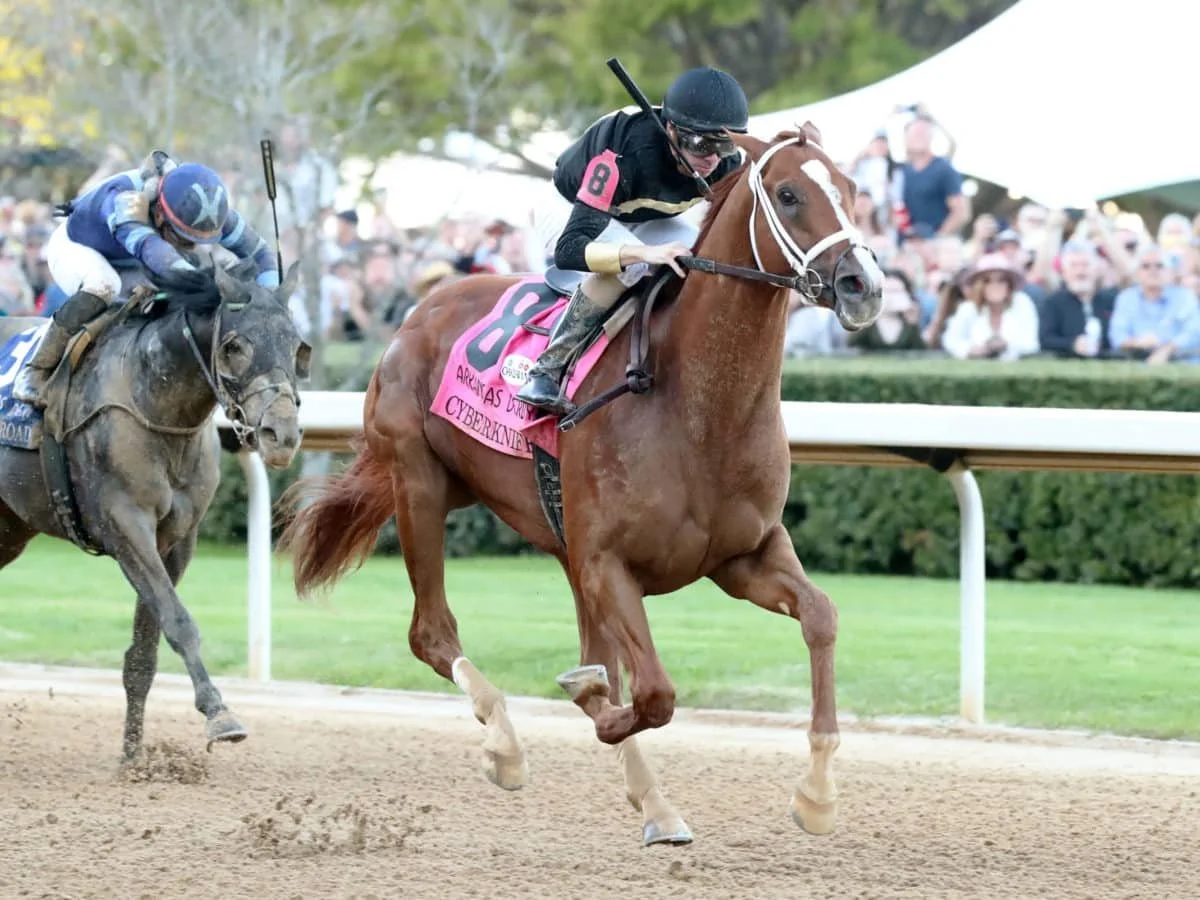
Pure speed is obvious. Deep closers are easy to spot. But the most reliable profile in competitive racing is often tactical speed.
How Racehorse Ownership Breaks Down
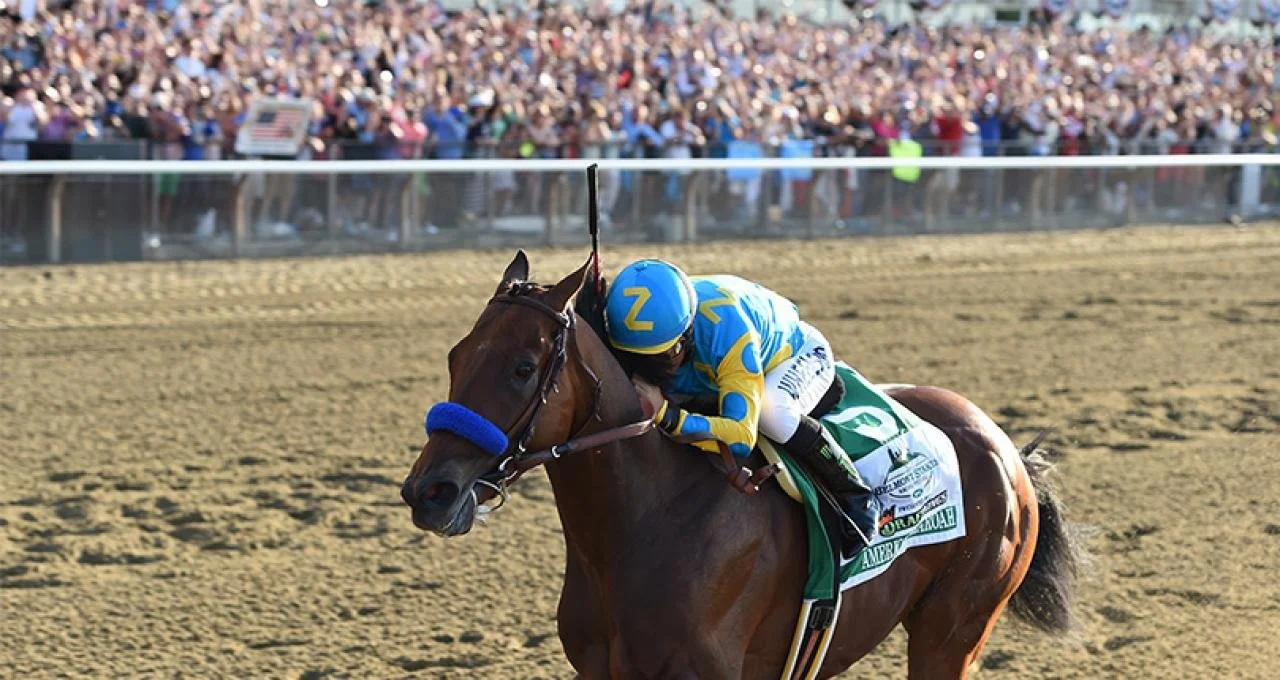
Owning a racehorse isn’t just buying an animal and waiting for prize money. It’s participating in a structured business built around risk, planning, and professional management.
Transparent Ownership: How to Separate Good Syndicates From Bad Ones
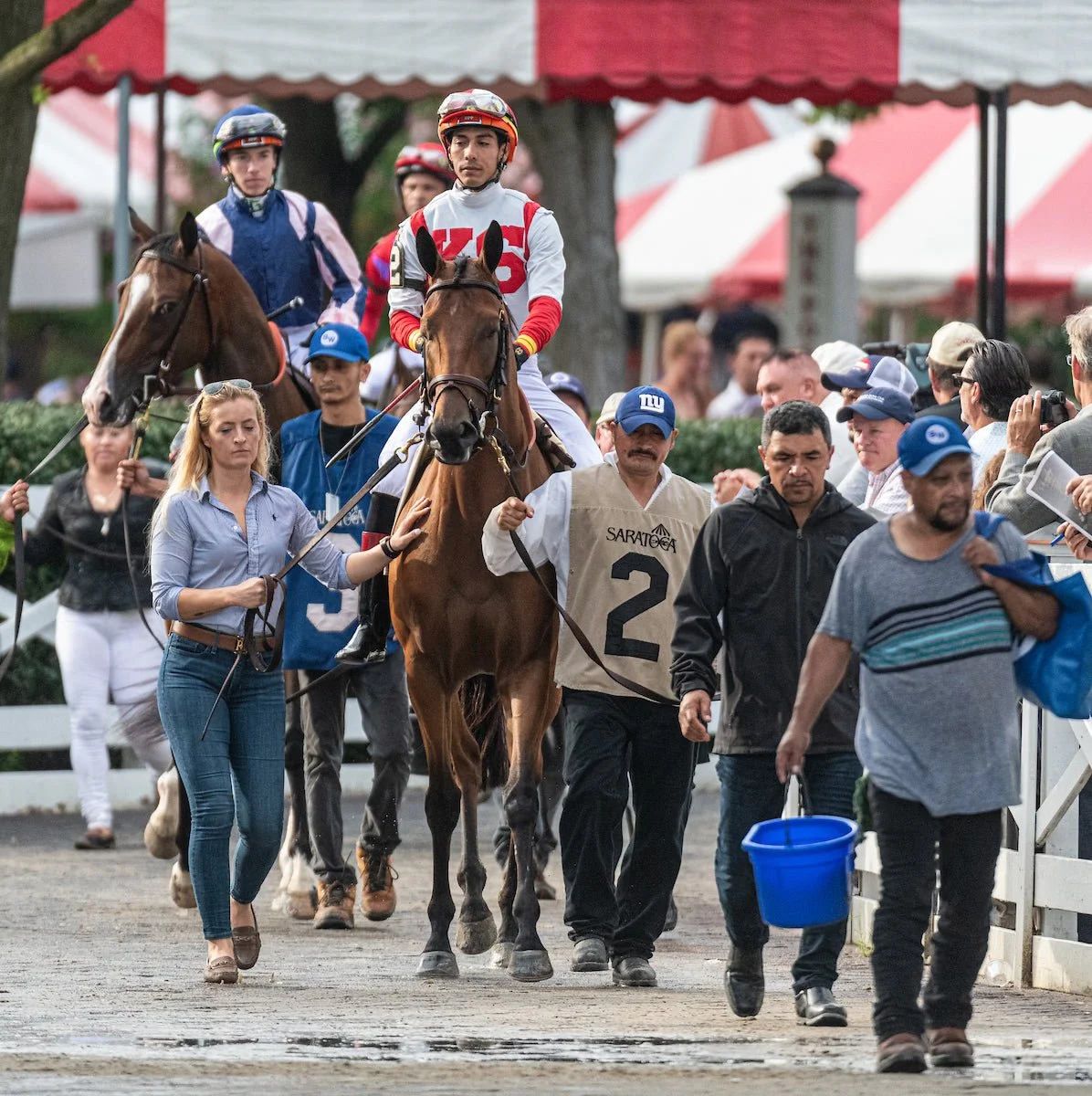
Racehorse syndicates can be an incredible way to enjoy ownership — or an expensive lesson. The difference almost always comes down to transparency.
Good syndicates don’t just sell excitement. They show you the math, the structure, and the decision-making before you ever commit.
How Racing Syndicates and Horse Ownership Really Work
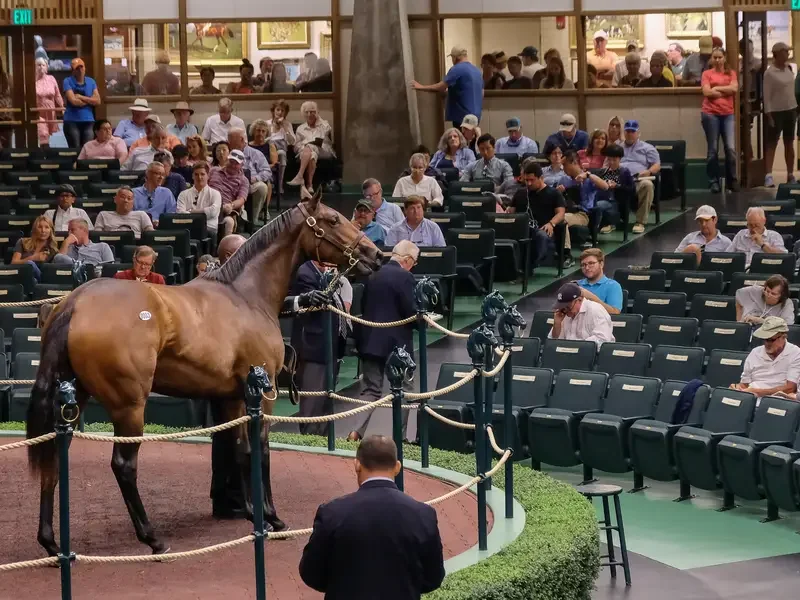
A syndicate works by dividing a horse into ownership shares. Instead of paying 100% of the purchase price and expenses, you buy a percentage (often 2.5%, 5%, or 10%). Your share represents your portion of both the costs and the potential earnings.
Reading Between the Lines of Today’s Card
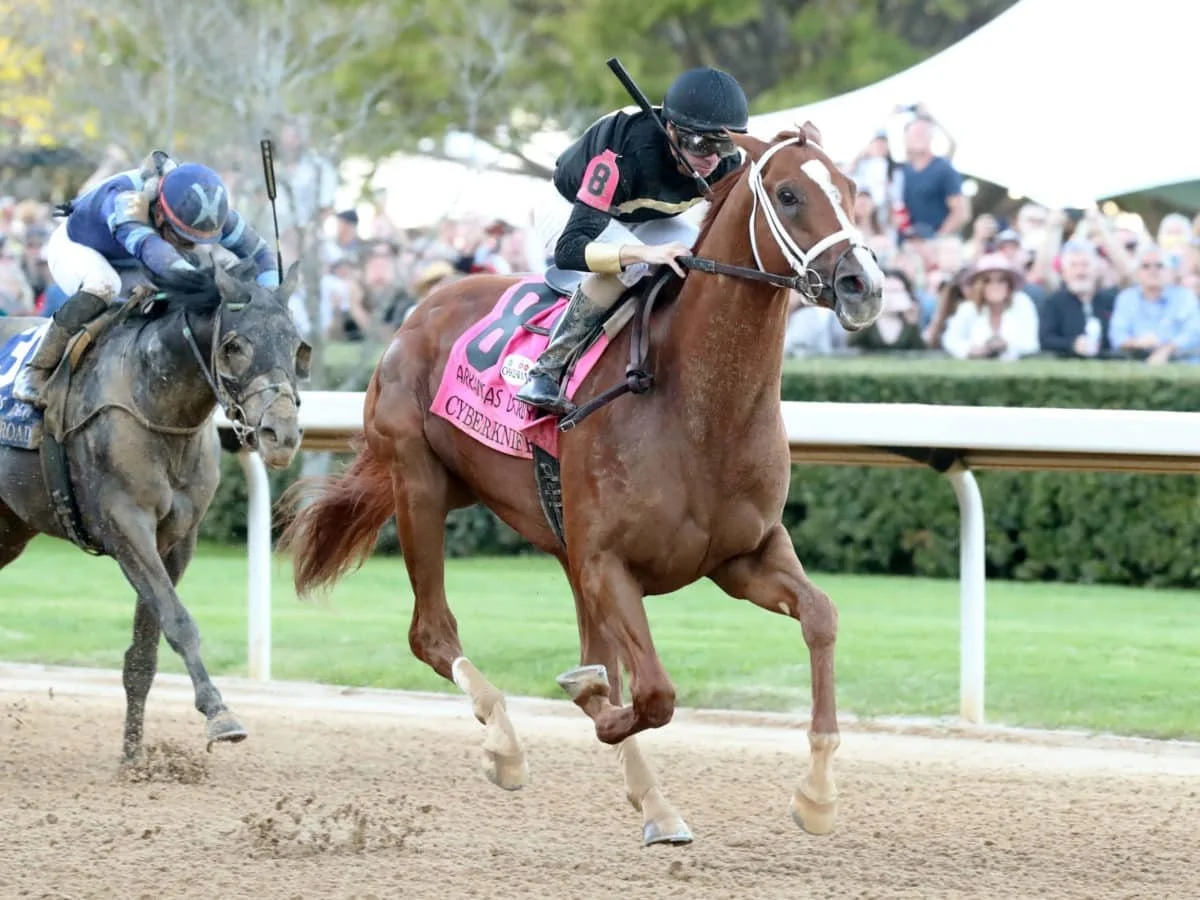
On paper, a race is a collection of numbers, lines, and shorthand notes that suggest how a horse should run. In reality, winning consistently requires seeing what the past performances are quietly implying — and what they’re leaving out entirely.
Why “Inside Speed” Wins More Than the Program Admits
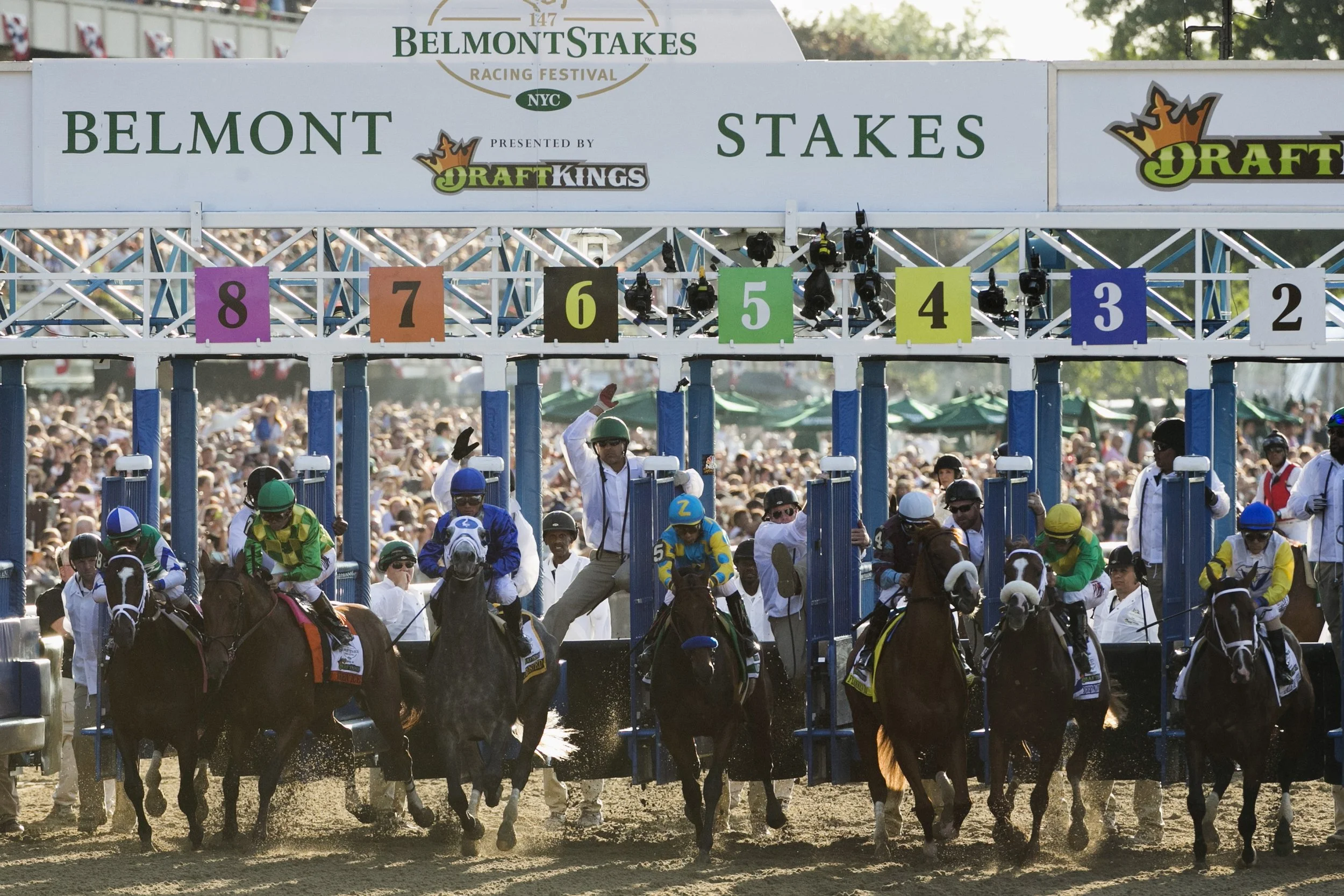
Most bettors chase raw early speed.
They look at fractions, pace figures, and front‑running percentages — but they miss the most profitable version of speed in racing:
Inside speed.
Why “Hidden Class Drops” Are the Smartest Bets on the Card
Not all class drops are created equal.
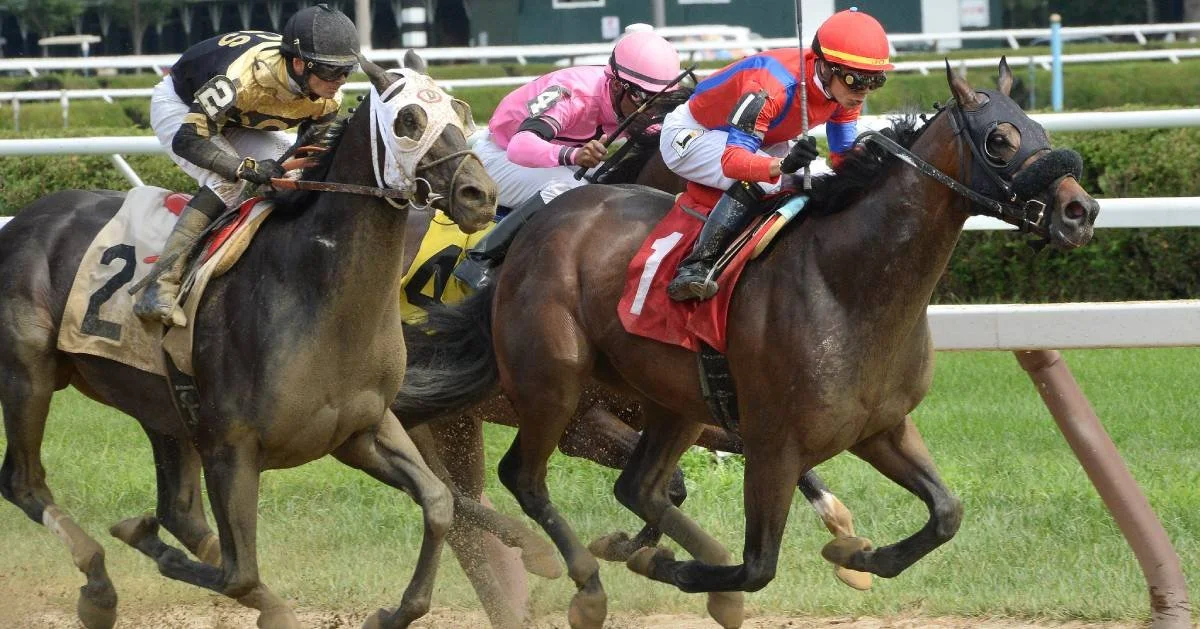
The obvious ones — dramatic plunges in claiming price or allowance to claiming moves — get hammered at the windows. The crowd sees them. They react to them. And the value disappears.
But the most dangerous drops in racing are the ones that don’t look like drops at all.
These are the “hidden class drops.”
The Hidden Signal Inside “Second‑Off‑the‑Layoff” Horses
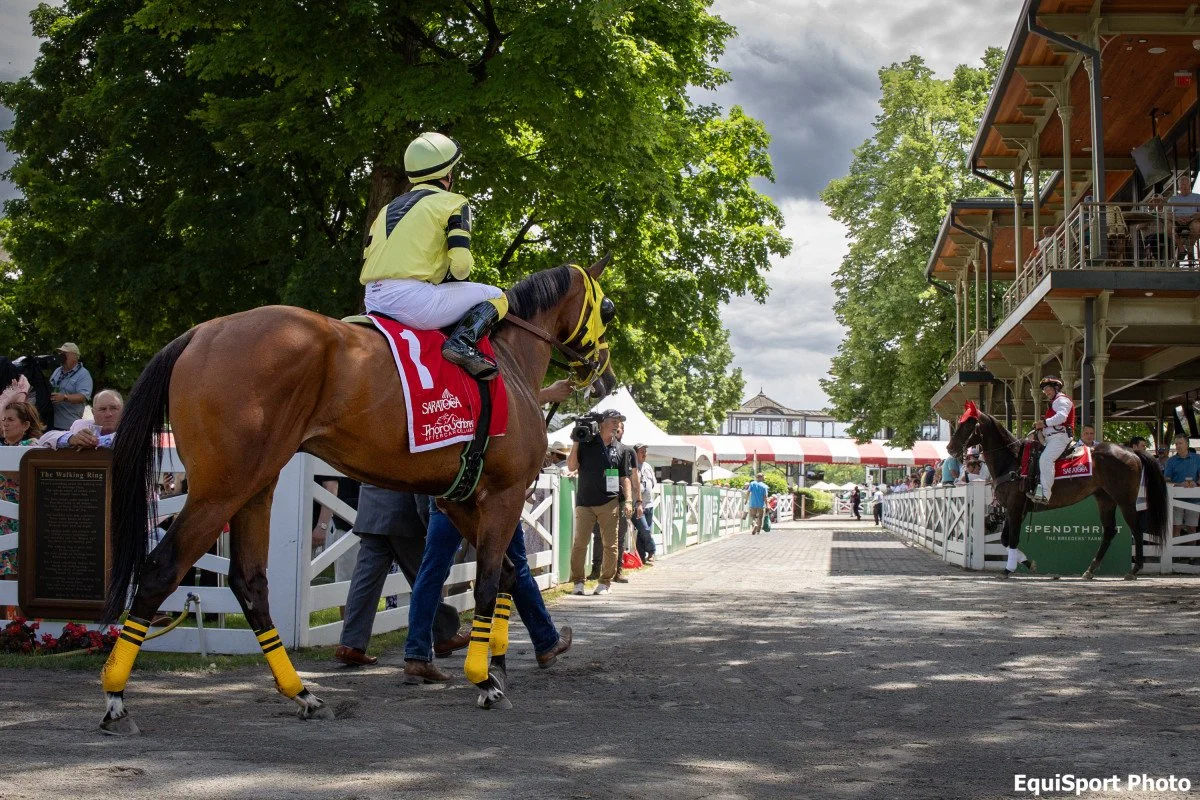
Horses don’t peak by accident. They are built toward races, not randomly unleashed into them.
Why Class Drops Don’t Mean What You Think They Mean
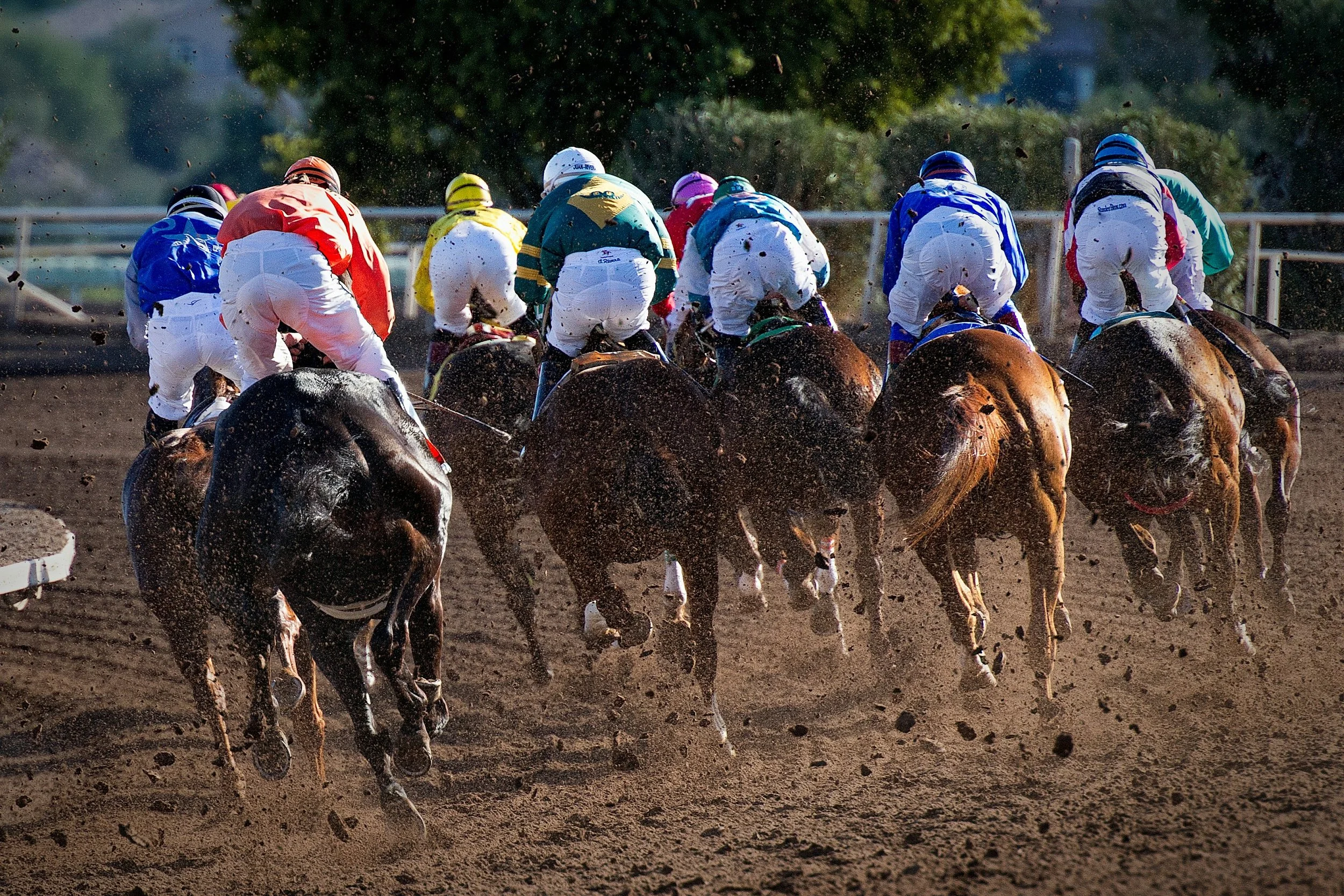
The public treats class relief like a gift. A horse moving down the ladder is assumed to be “placed to win.” Odds plunge. Value disappears. And yet, these horses lose at a startling rate.
Because not all drops are created equal.
There are aggressive drops — and there are defensive drops.
The False Favorite: Why Morning Line Stars Keep Losing
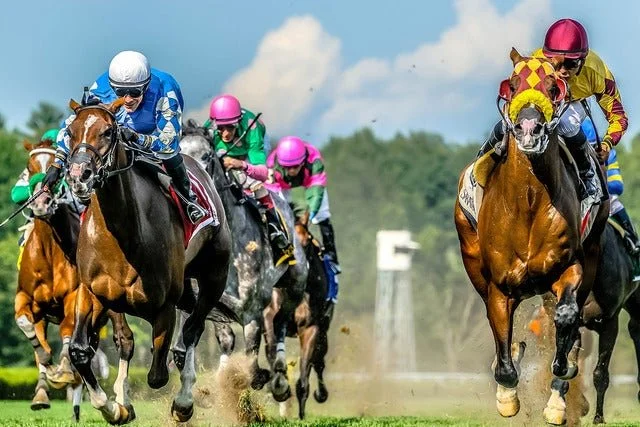
Morning lines are not predictions of who will win — they are predictions of how the public will bet. Line makers shade horses based on name recognition, flashy past performances, and obvious angles that attract casual money. That creates false certainty before a single dollar is wagered.
The Silent Killer: Overtraining in Lightly Raced Horses
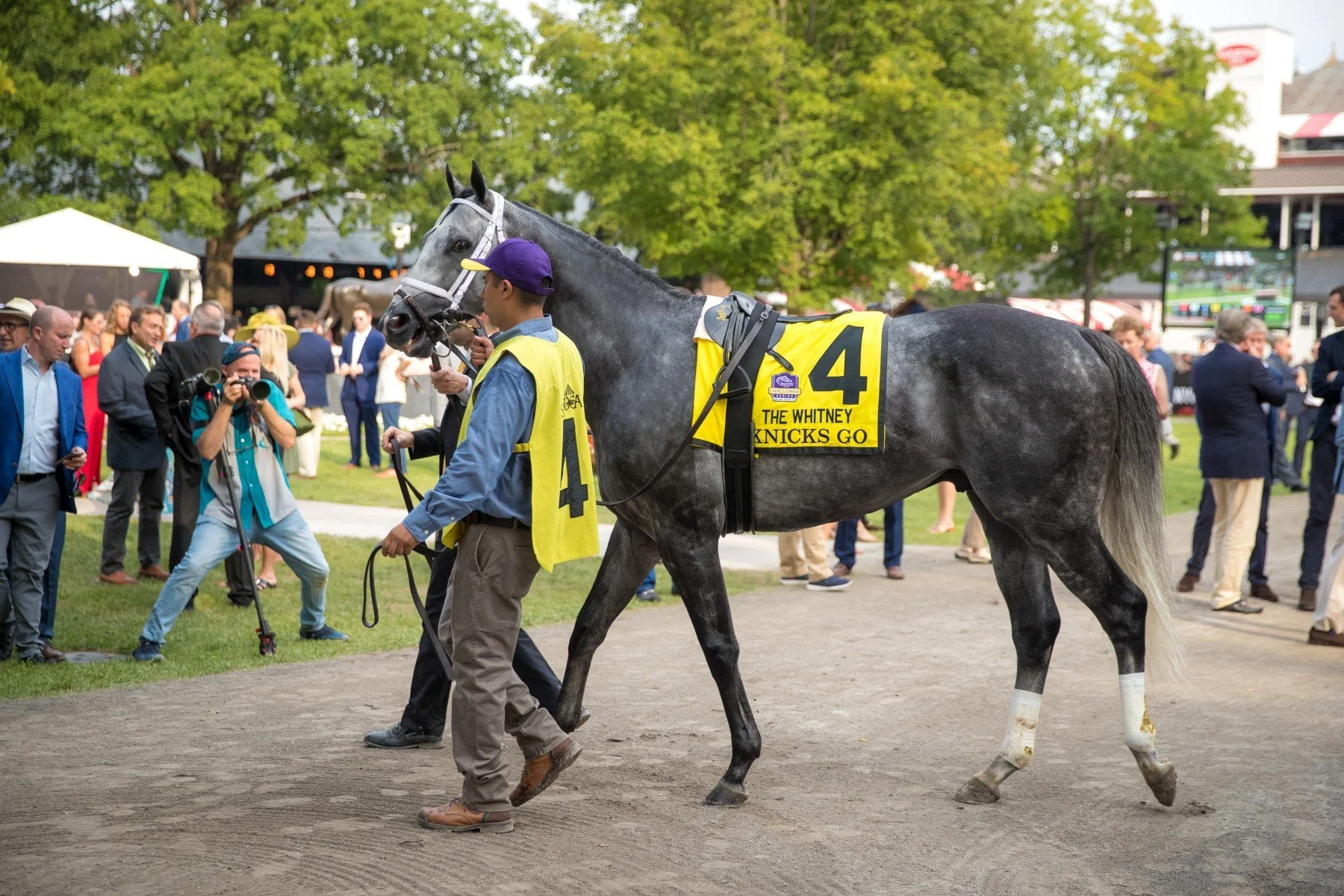
Nothing ruins promising horses faster than invisible fatigue.
Lightly raced runners often attract heavy betting because they “look fresh.” The assumption is simple: fewer starts must mean more upside. But freshness on paper does not always equal readiness in the body.
Why “Second‑Off‑the‑Claim” Horses Explode at the Windows
One of the most profitable patterns in racing happens quietly — and almost nobody bets it correctly.
It’s called the second‑off‑the‑claim angle.